
The Form Lab – Playful world of sculpture & invention!

We believe children learn best when they build, test, and play with ideas.
In ‘The Form Lab’, kids don’t just make sculptures — they experiment like engineers, imagine like artists, and discover like scientists.
From moving machines to dreamlike forms — kids explore the power of shape!
-
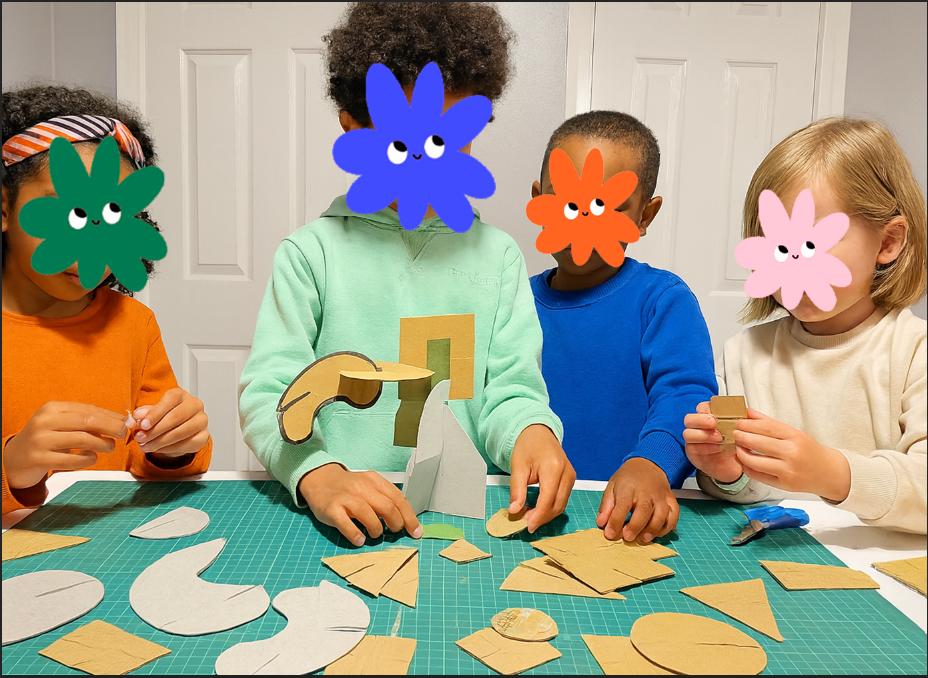
4-class plan (each 90 minutes) balances hands-on making, playful games, and inspiration from world-renowned sculptors.
Moving Sculptures: Discover balance, pivots, and wind power by building kinetic works inspired by Calder and Jansen.
Surreal Forms: Turn ordinary objects into dreamlike papier-mâché creations inspired by Dalí and Oppenheim.
Pop Play: Explore scale and surface with oversized, glossy, balloon-like sculptures inspired by Koons and Oldenburg.
Ghosts of Objects: Capture memory and presence with object “casts,” inspired by Whiteread and Gormley.
Each class blends art-making with principles of balance, engineering, imagination, and storytelling — all in an age-appropriate way that feels like discovery, not instruction.
-
Classes are led by a trained Fine Artist with over 15 years of teaching experience. Together, mum(s) and child(ren) are gently guided through techniques and explorations, making creative time at home easier and more enjoyable.
We understand that spending creative time with little ones can sometimes feel daunting — or, let’s be honest, even a bit boring. That’s where we come in. We provide the structure, inspiration, and encouragement. And if you fancy, sessions can also include relaxed conversation around a topic of your choice — a chance to socialise as much as to create.
-
Confidence in making 3D forms that move, surprise, or transform.
STEAM connections: balance, forces, materials, and scale as playful experiments.
Growth in creativity, problem-solving, and collaboration.
A new appreciation for sculpture as movement, memory, and imagination.
-
Kinetic & sculptural play with mixed media
Art meets STEAM — kids explore how movement, scale, memory, and imagination can all become part of sculpture. Through playful engineering, surreal invention, shiny pop experiments, and ghost-like forms, children discover that sculptures don’t just sit still — they can dance, surprise, and tell invisible stories.
-
In our Sculpture Lab, children don’t just build — they become inventors, engineers, and storytellers.
Each session combines art and science, giving kids the chance to test, tinker, and imagine. They develop resilience through trial and error, practice teamwork through group challenges, and find joy in creating playful sculptures that bend rules and spark conversation.Kids leave not only with bold, eye-catching artworks, but with deeper skills in design, engineering, and creative thinking — all while having fun.
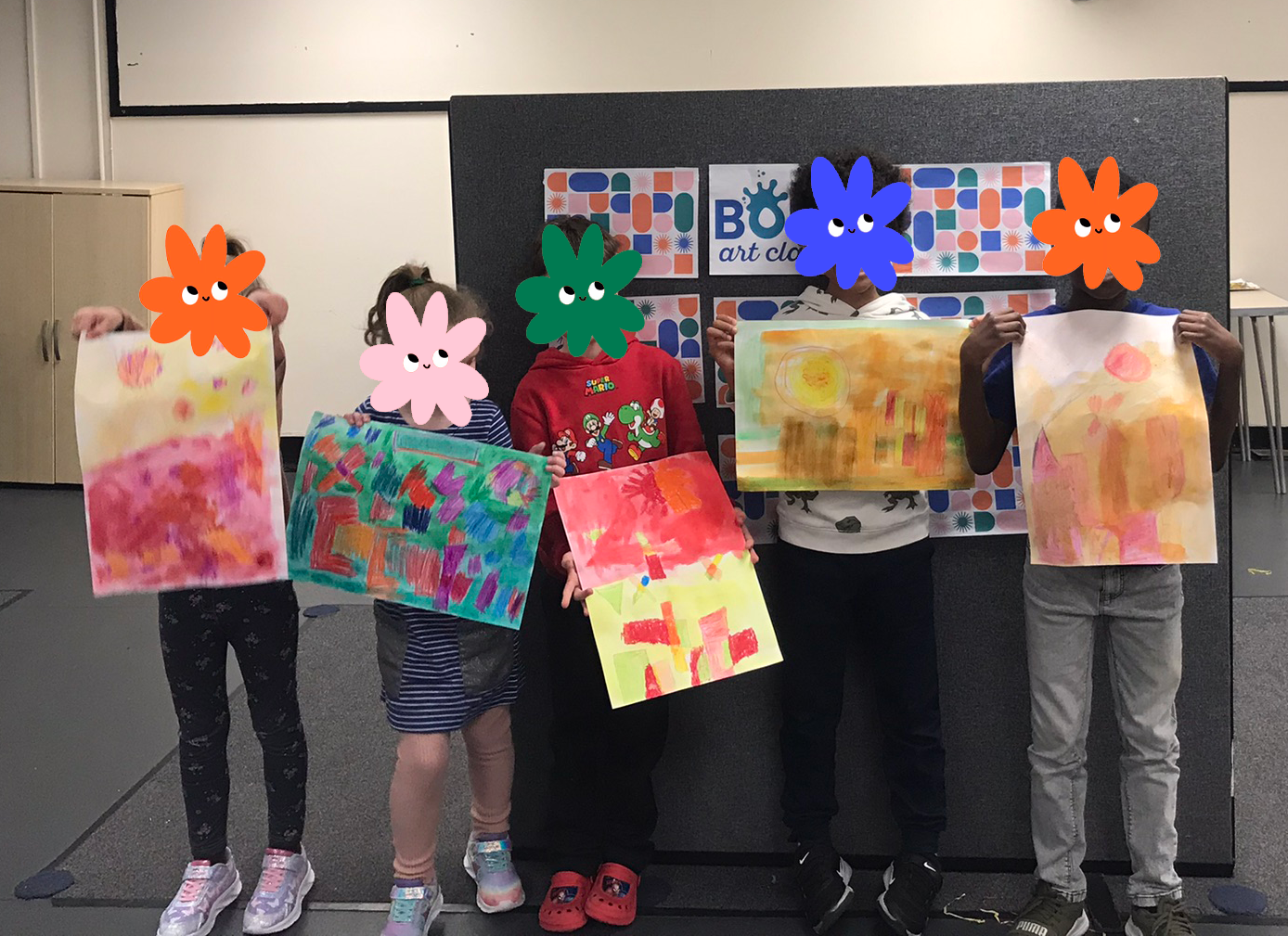
Art classes in pictures
-
![]()
Black & White – Contrast as Drama (7 years)
-
![]()
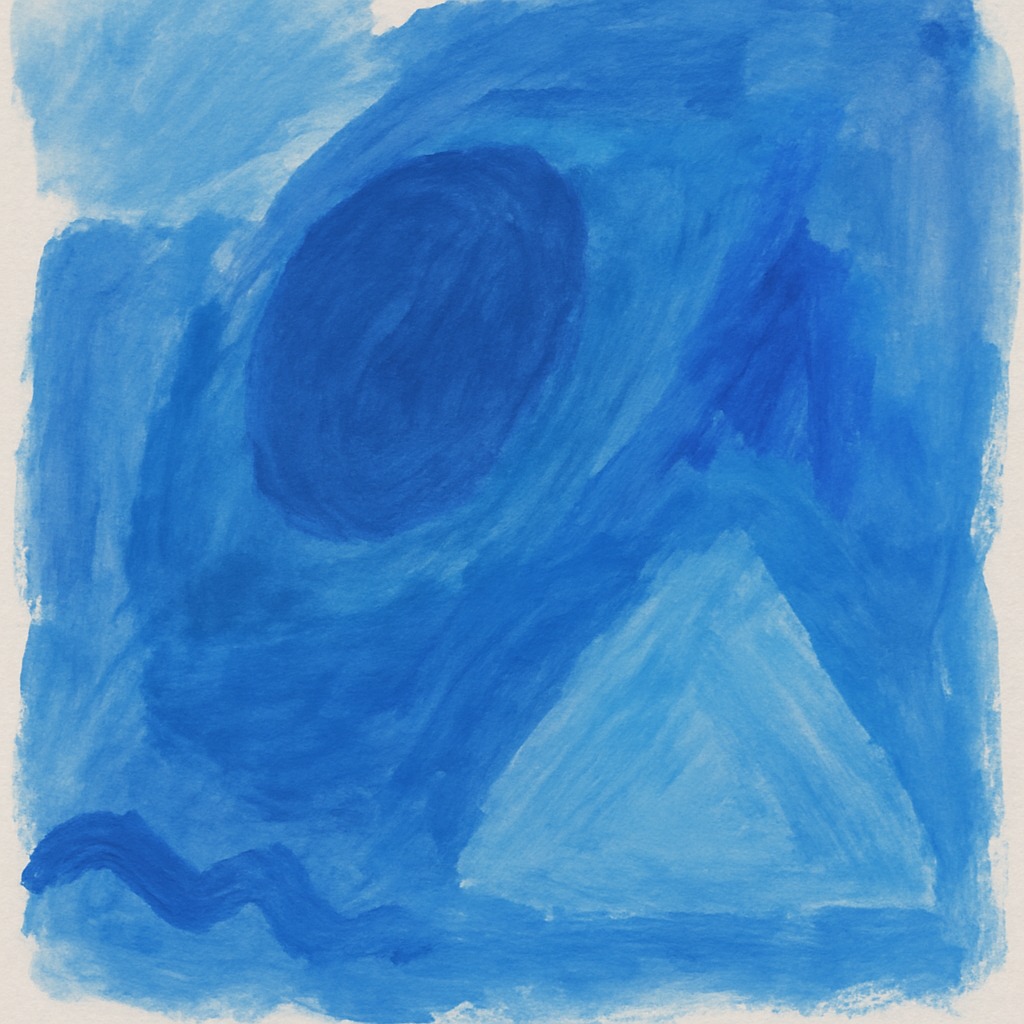
Monochrome – One Colour, Many Moods (6 years)
-
![]()
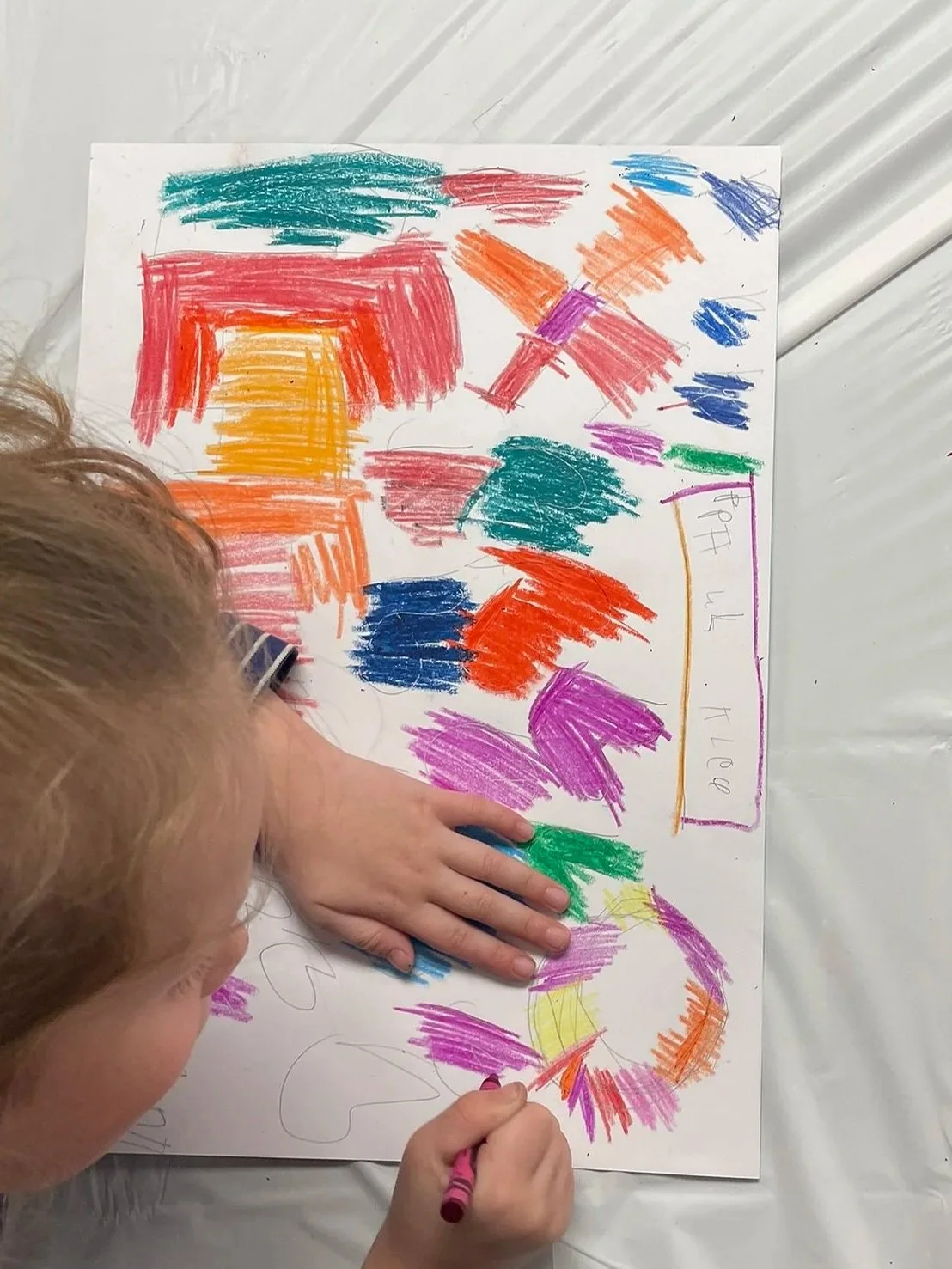
Discovering colour through Paul Klee–inspired art (6-8 years)
-
![]()
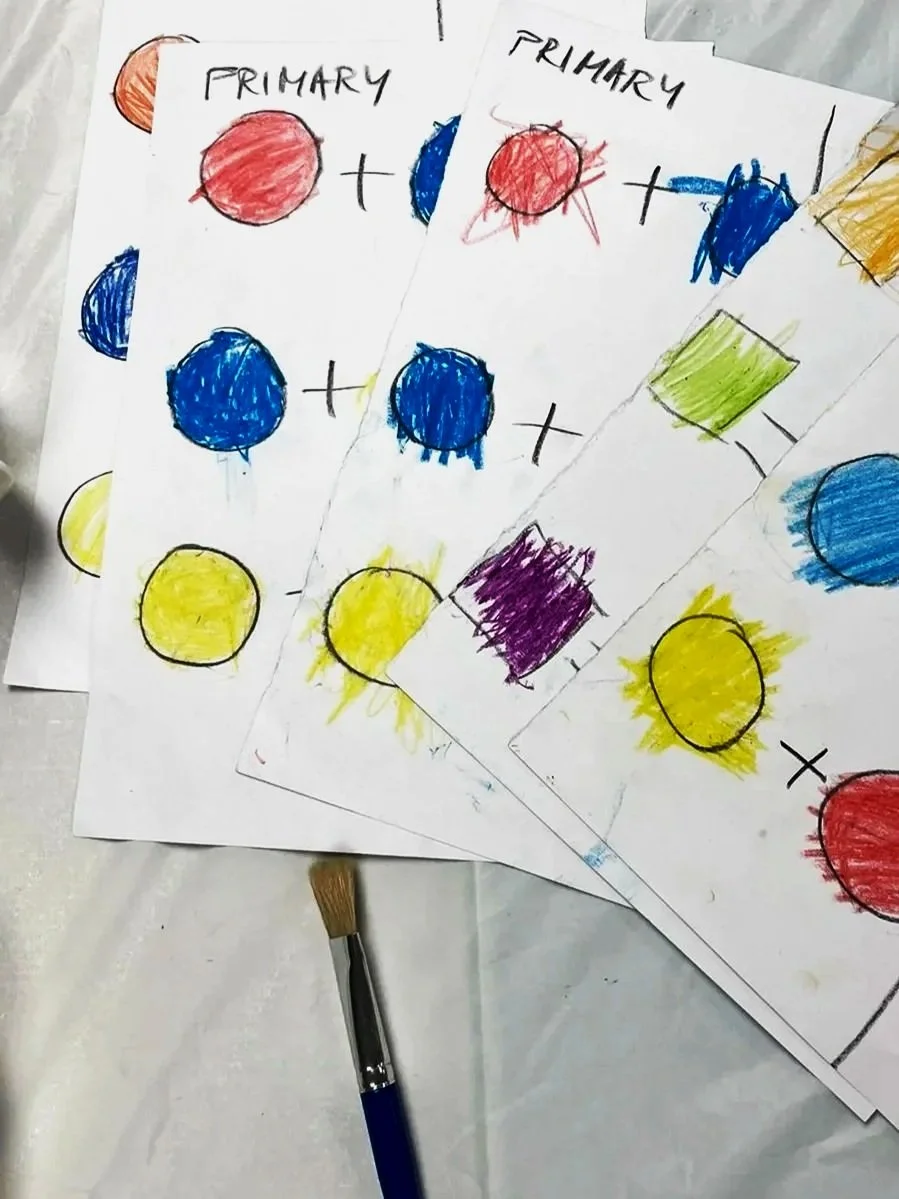
Primary Colours – The Superheroes (7 years)
-
![]()
Secondary Colours – Circle Dance (6 years)
-
![]()
Colour play and expression inspired by Paul Klee (7 years)
-
![]()
Colours and feelings. Discovering colours through the collage(6-8 years)
-
![]()
Colour theory excercise. (6-8 years)
-
![]()
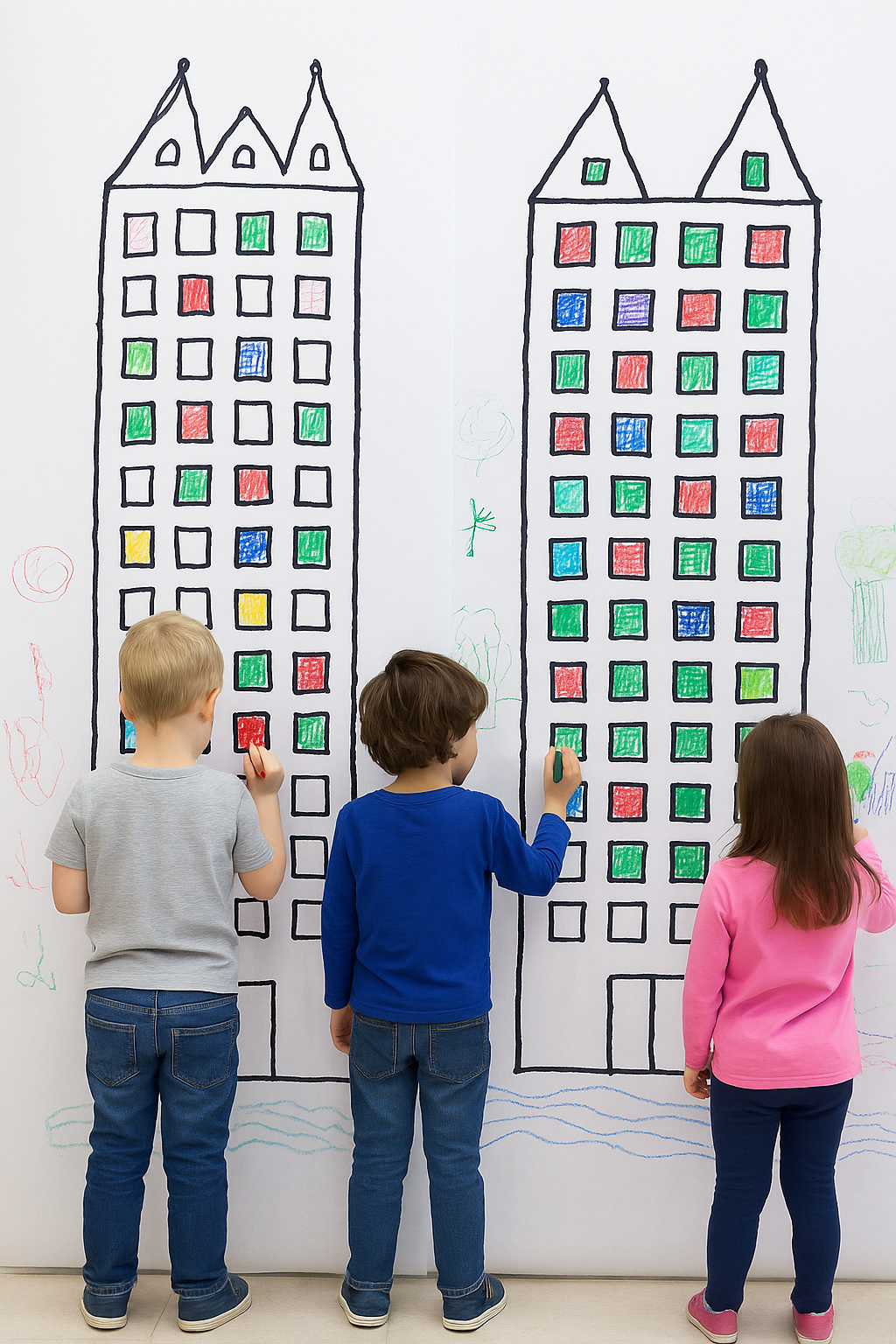
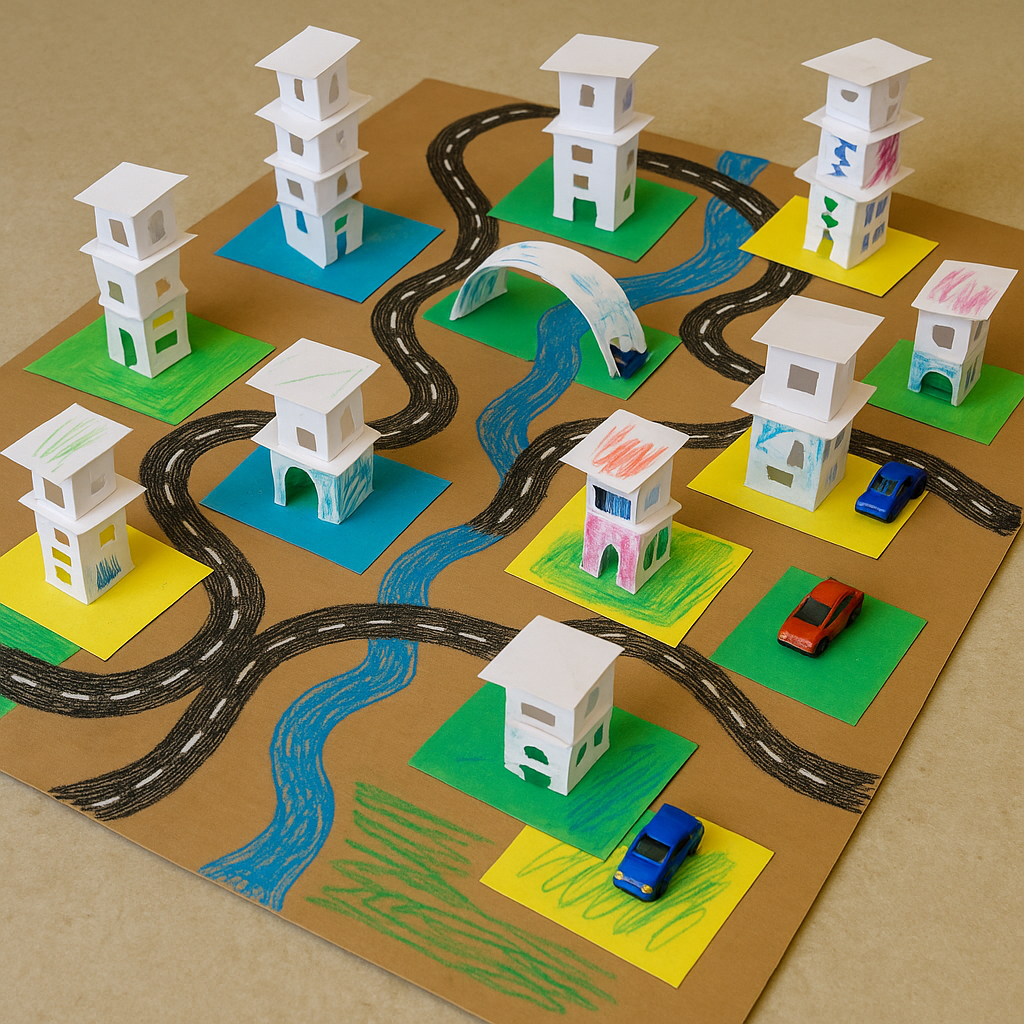
Towers that Touch the Sky (6 years)
-
![]()
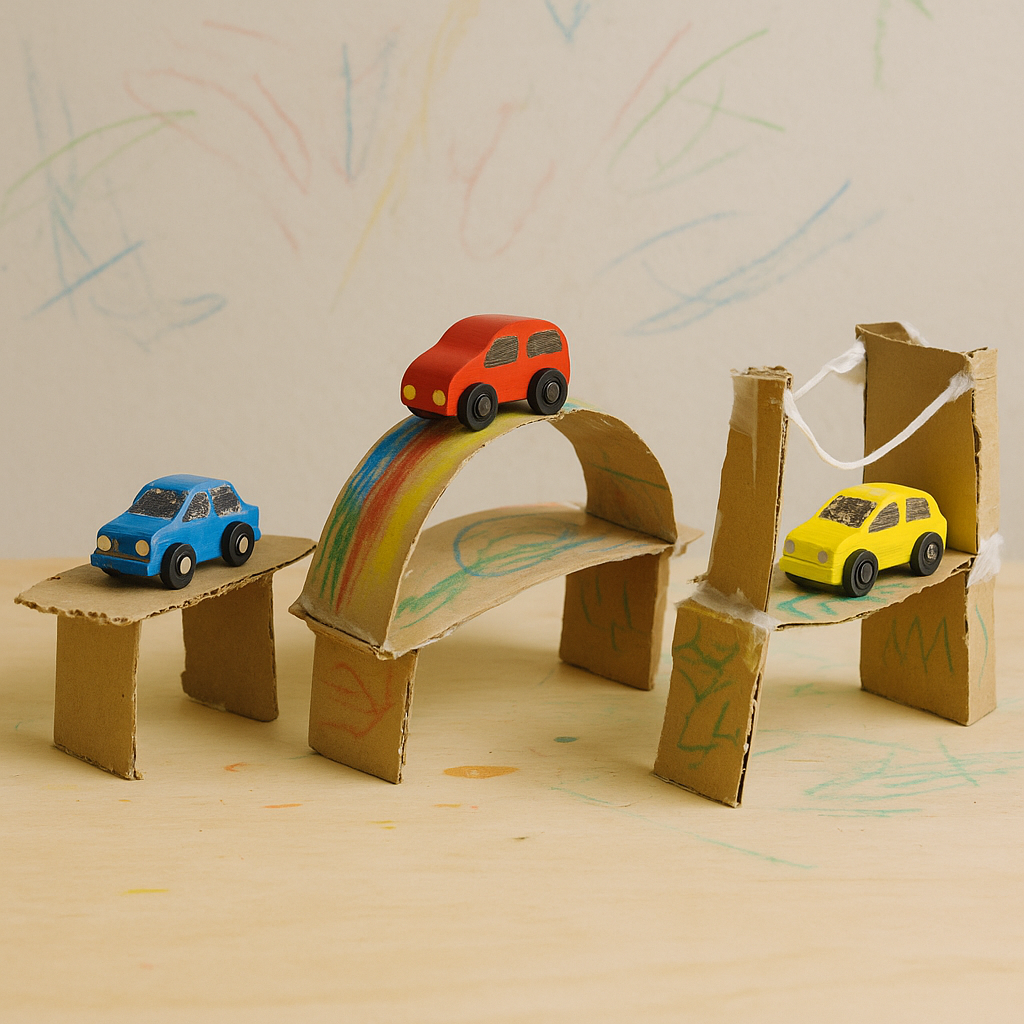
Bridge Builders – From Here to There (7 years)
-
![]()
Exploration, shapes: triangle, square, circle bases. (6-8 years)
-
![]()
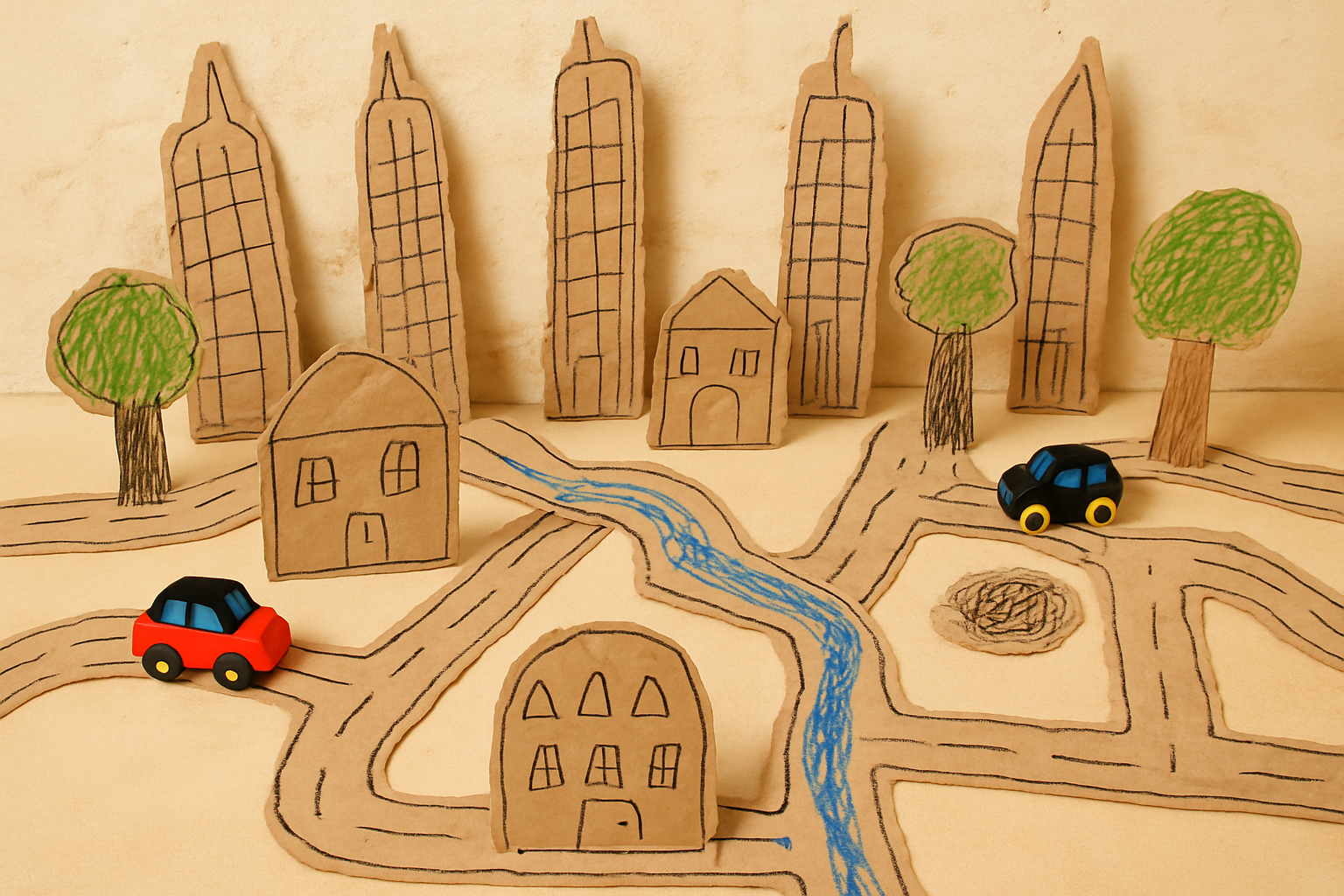
Mini City Makers (6-8 years)
-
![]()
A city is like a puzzle (6-7 years)




Introduction to 3D Modelling & Science of Sculpture
Class 1: Moving Sculptures – Kinetic Play
Warm-up game:
Human Mobiles: Kids stand in a circle, each holding a pose. One moves slightly, others adjust to stay balanced, like a Calder mobile.
Wind Test: Blow gently on each other’s arms to feel how small forces create motion.
Exploration:
Build small moving structures from straws, sticks, LEGO gears, or recycled parts.
Experiment with balance points, pivots, and wheels.
Use fans or air blowing to test movement.
Concept:
“Movement can be part of sculpture. Balance and forces make artworks dance, spin, or sway.”
Artist Inspiration:
Alexander Calder (mobiles).
Theo Jansen (wind-powered Strandbeests).
Jean Tinguely (playful mechanical machines).
Outcome:
Kids discover how engineering principles (balance, pivot, wind power) can make art move, blending mechanics with creativity.
Class 2: Surreal Forms – Dream Sculptures
Warm-up game:
Dream Object Mash-up: Kids draw two random objects (like a shoe + teapot) and combine them into one surreal design.
Share and laugh at strange new creations.
Exploration:
Build a base from cardboard, bottles, or toys.
Cover with papier-mâché strips to form dreamlike shapes.
Add unexpected elements (wings, melting parts, eyes).
Paint in bright or unusual colours.
Concept:
“Sculpture doesn’t have to look real. Surrealist artists turn ordinary things into dreamlike, impossible objects.”
Artist Inspiration:
Salvador Dalí (melting clocks, dream imagery).
Meret Oppenheim (furry teacup).
Outcome:
Kids learn that art can challenge logic, using imagination to transform everyday objects into playful dream-sculptures.
Class 3: Pop Play – Big & Shiny Forms
Warm-up game:
Blow It Up: Kids draw a small object (banana, shoe, toy) → then re-draw it huge.
Compare small vs. giant — which feels funnier, more powerful?
Exploration:
Spray expanding foam (adult-assisted) onto a cardboard/foil base.
Shape into rounded, oversized forms.
Paint glossy colours or cover in metallic foil to mimic balloon-like surfaces.
Concept:
“Changing scale makes us see objects differently. Big, shiny, or playful sculptures surprise us and make us smile.”
Artist Inspiration:
Jeff Koons (giant balloon dog).
Claes Oldenburg (huge everyday objects).
Outcome:
Kids understand how size, surface, and exaggeration change perception, turning the ordinary into the extraordinary.
Class 4: Ghosts of Objects – Sculpture as Memory
Warm-up game:
Body Silhouettes: Kids trace each other’s shadows or outlines.
Talk about how the outline captures a “presence” even when the person moves away.
Exploration:
Wrap small objects (cups, shoes, toys) in foil or tape.
Cover with papier-mâché, then remove the object to leave its “ghost.”
Option: Cast handprints or simple body forms with plaster bandages.
Concept:
“Sculptures don’t only show objects — they can show the empty space or memory left behind.”
Artist Inspiration:
Rachel Whiteread (casts of everyday spaces).
Antony Gormley (body-inspired sculptures).
Outcome:
Kids explore presence, absence, and memory — discovering that sculpture can capture invisible stories and feelings.